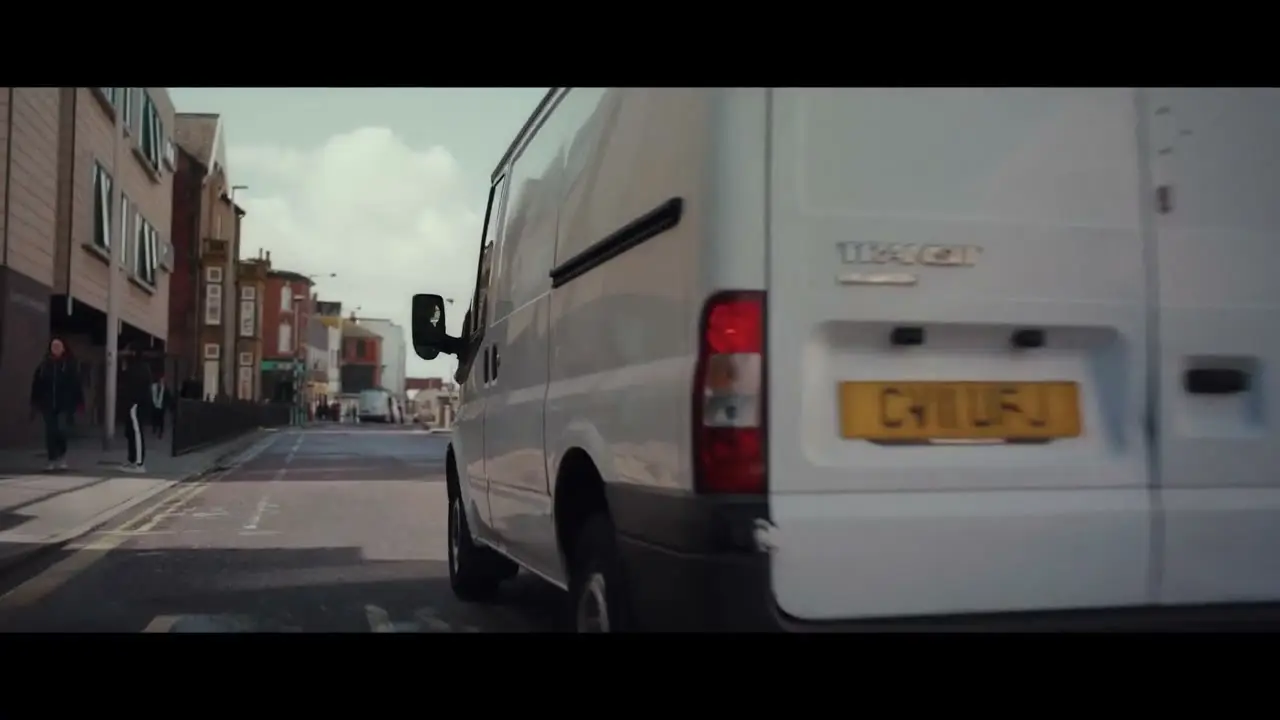
Il coworker AI per i piani di sicurezza degli eventi.
IGUDAR ricostruisce in 3D il sito dell’evento e simula le traiettorie dei veicoli rispetto alle protezioni previste, così puoi confrontare più configurazioni prima di redigere il piano di safety e security. È pensato per professionisti della sicurezza, studi tecnici, organizzatori di eventi e pubbliche amministrazioni.
Guarda IGUDAR in 3 minuti Mehdi Zahid, co-founder, spiega come funziona.Come funziona
Si parte da planimetrie o rilievi del sito e si arriva a una bozza del piano di sicurezza, in quattro passaggi.
Digital twin
Trasforma rilievi e planimetrie in una copia digitale misurabile del sito reale.
Simulazione
Simula traiettorie veicolari e impatti per confrontare le configurazioni di protezione prima dell’evento.
Piano
Raccoglie calcoli, risultati delle simulazioni e riferimenti in una bozza del piano di sicurezza.
Revisione e firma
Ipotesi e risultati restano visibili: il professionista incaricato li verifica, corregge il piano e lo firma.
Caso studio: Piazzale XX Settembre, Pordenone
Con il modulo sul rischio veicolare, la configurazione di protezione proposta da IGUDAR è stata confrontata con un posizionamento manuale, sullo stesso sito e con lo stesso budget.
- Disponibile
- Rischio veicolare, il modulo validato in questo caso studio.
- In sviluppo
- Esodo, capienza, accesso dei soccorsi, antincendio, conformità normativa.
Domande frequenti
Come aiuta chi deve organizzare un evento?
IGUDAR supporta la pianificazione della sicurezza di manifestazioni, concerti ed eventi in spazi pubblici: ricostruisce il sito, analizza il rischio veicolare e ti permette di confrontare, insieme al professionista incaricato, diverse configurazioni di protezione. Non è una piattaforma di biglietteria né di gestione degli inviti.
Quali dati servono per iniziare un piano di sicurezza?
Per una prima valutazione, porta una planimetria o un rilievo del sito e descrivi l’evento, gli accessi, i vincoli e le configurazioni da confrontare. Il team IGUDAR verifica con te i dati necessari per il caso specifico.
L’AI può firmare o approvare il piano?
No. IGUDAR supporta l’analisi e la stesura del piano di sicurezza. Il professionista incaricato verifica dati, ipotesi, risultati e requisiti applicabili, e firma il piano sotto la propria responsabilità.
IGUDAR ha ricevuto riconoscimenti?
Sì. IGUDAR ha vinto il primo premio della categoria ICT a Start Cup Udine 2026, la competizione per idee d’impresa dell’Università degli Studi di Udine (premiazione del 7 ottobre 2026). Con questo risultato è tra i quattro progetti selezionati dall’ateneo per la finale del Premio Nazionale per l’Innovazione (PNI), a Bari il 3 e 4 dicembre 2026.
Richiedi una demo
Descrivici il sito e l’evento: ti mostriamo IGUDAR su quel caso e valutiamo insieme se ha senso un progetto pilota.